How to Open a Bank Account in Spain as a Foreigner
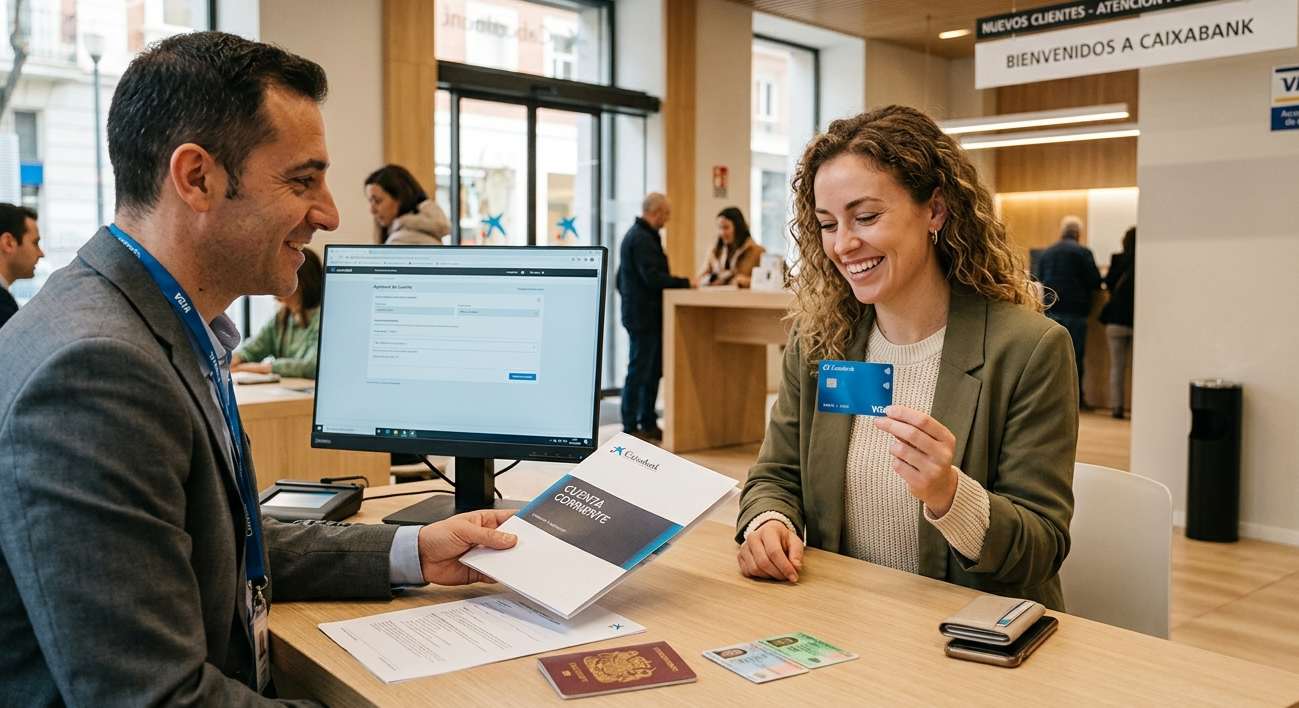
Moving to Spain or buying property there – at some point, you’ll need a local bank account in Spain. Paying rent, utilities, setting up direct debits – most of it runs through a Spanish IBAN. It’s not optional, it’s just how things work here.
The good news: a bank account in Spain for foreigners is genuinely accessible. Most major Spanish banks are set up for international clients. The process involves more paperwork than in some countries, but it’s manageable once you know what to bring.
Resident vs Non-Resident Bank Accounts
Spanish banks categorize their products into two groups based on your legal status.
- Resident accounts are for people living in Spain for more than 183 days a year and paying taxes here. You’ll need a long-term rental contract or property deed, plus a resident NIE. These accounts give you full access – credit cards, mortgages, loans, and investment products.
- Non-resident accounts are for everyone else. Buying a property in Marbella but not living there full-time? Working remotely but not yet a tax resident? You open a bank account in Spain in a non-resident style. Setup is simpler, but you’ll likely pay higher quarterly fees and have access to fewer products.
A lot of people start with a non-resident bank account in Spain when they first arrive, then ask the bank to switch it to resident status once they have their green residency card. That’s a normal and easy conversion – lower fees, more products.
Documents You Need to Open an Account
Spanish bureaucracy is what it is. Original documents, not photocopies. Banks are strict about this.
What you’ll need for opening a bank account in Spain:
- Valid passport. EU citizens can sometimes use a national ID, but a passport is accepted everywhere without question.
- NIE number. The Número de Identificación de Extranjero. Without this, traditional Spanish banks won’t open an account for you. It’s the single most important document for any foreigner in Spain – you’ll need it for bank accounts, property purchases, signing contracts, almost everything. Get it sorted before you try to open an account.
- Proof of address. A recent utility bill from your home country or a Spanish rental contract both work.
- Proof of income. Banks have “Know Your Customer” obligations. A work contract, recent payslips, or a tax return – something that explains where your money comes from.
- Certificate of non-residency. If you’re not a resident, some banks ask for this. You get it at a police station. Not every bank requires it, but it’s worth having ready.
If your documents aren’t in Spanish, some banks will ask for a traducción jurada – a sworn translation. Not always required, but occasionally necessary for the bank’s legal department.
Step-by-Step Process
Opening a bank account in Spain is a linear process, but it requires patience. Follow these steps to ensure you don’t get turned away at the door:
- Get your NIE first. You can apply at a Spanish consulate before you arrive, or at a local police station once you’re in Spain. Nothing moves without it.
- Choose a bank. Not all banks are equal for foreigners. Check whether they have an app in your language and whether their staff is English-speaking before committing.
- Book an appointment (cita previa). Walking into a branch without one almost always ends with “come back with an appointment.” Book online or by phone.
- Attend the appointment. Bring everything. The banker will scan your documents and ask about how you plan to use the account – routine questions, not an interrogation.
- Sign the contract. Read the fee structure before you sign. Maintenance fees vary significantly between banks and account types.
- Get your IBAN. Usually, the same day. The physical debit card arrives by post in 5-10 business days.
If you need to open a bank account in Spain for a non-resident at a traditional bank, an in-person appointment is essentially always required – there’s no way around it.
Best Banks in Spain for Expats
Choosing a bank depends on whether you value physical branches or a great mobile app. Spain has a mix of massive traditional institutions and nimble digital banks:
- CaixaBank has HolaBank, a service built specifically for international clients. English-speaking staff, support for international transfers, and a decent branch network.
- BBVA is widely considered to have the best banking app in Europe. If you want to manage everything from your phone, this is the one. Opening a bank account at BBVA in Spain is relatively painless for tech-savvy people.
- Sabadell has a strong reputation among the British and international communities on the coasts – Costa del Sol and Costa Blanca. Good English-language service.
- Digital options – N26, Revolut, and Openbank – let you get a Spanish IBAN quickly with minimal paperwork. Great for daily spending and transfers. The trade-off is no dedicated gestor (personal advisor) for more complex financial questions, and some services require a physical bank relationship anyway.
Most traditional banks charge €60-€150 a year in maintenance fees unless you deposit a regular salary. Ask about fee-free options when you open the account – they exist; you just have to ask.
Common Mistakes and How to Avoid Them
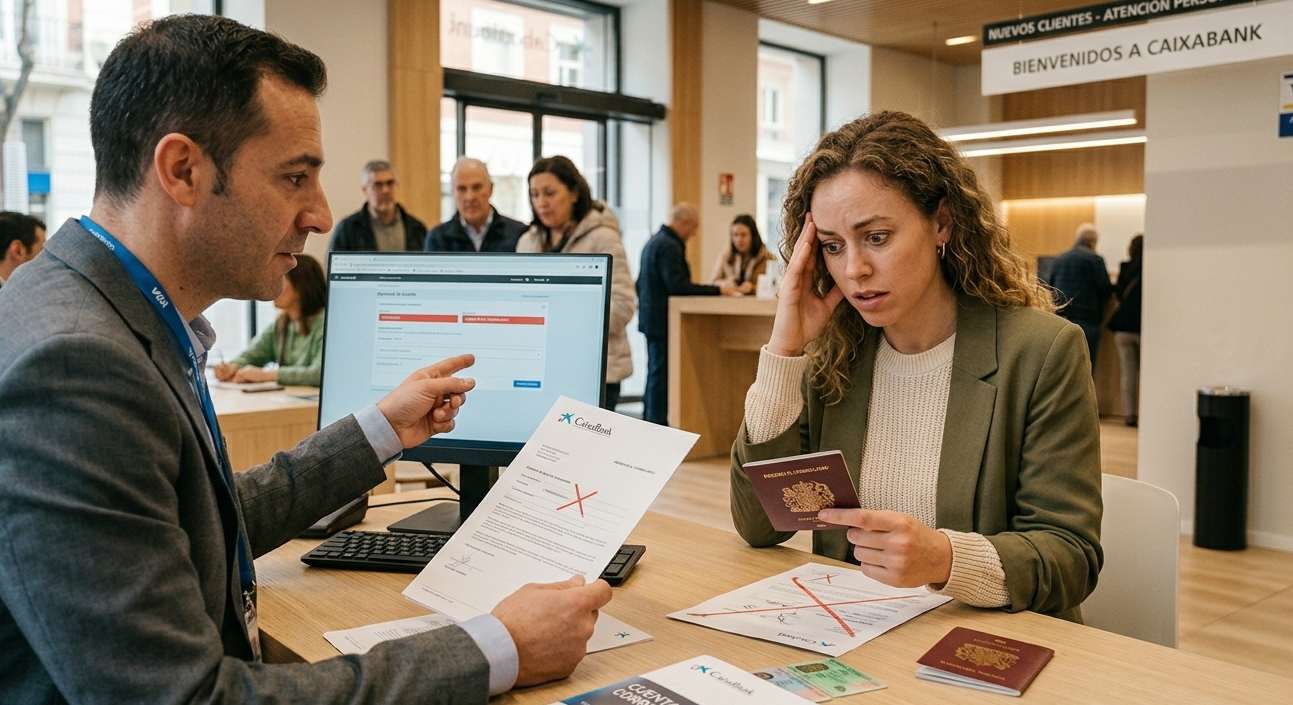
Even with a plan, proper visa and other documents, small errors can delay opening a non-resident Spain bank account for weeks. Here are the most frequent pitfalls:
- No appointment. Showing up without a cita previa is the most common mistake. You’ll be turned away almost every time. Book ahead – online or by phone.
- Expired documents. A passport must be valid for at least 6 months. Check before you go, not at the bank counter.
- Not reading the fees. Some accounts charge per transfer, per card transaction, or per statement. Ask specifically about the fee structure before signing. “Fee-free” accounts are available at most banks, but they’re rarely offered proactively – you have to ask.
- Assuming English. Major branches in tourist areas usually have English speakers. Smaller city branches often don’t. If your Spanish is limited, bring someone who can translate or stick to banks with documented English-language service like Sabadell or CaixaBank.
- Forgetting to update your status. When you go from non-resident to resident, tell your bank. The account type affects your fees and what products you can access.
A bank account in Spain is one of those things you need to sort out early – most of daily life here runs through local banking. If you’re also working through the visa process and want everything handled at once, Atlex Legal can help. Book a consultation.
FAQ
Can I open a bank account in Spain without an NIE?
Generally no. Some digital banks will let you start a profile with just a passport, but any traditional Spanish bank requires an NIE.
Do I need to be a resident to open a Spanish bank account?
No. You can open a non-resident account – expect slightly higher fees and potentially a certificate of non-residency requirement.
Which Spanish bank is best for English-speaking expats?
Sabadell and CaixaBank are the most expat-friendly – they actively support English-speaking clients and English-language documentation.
How long does it take to open a bank account in Spain?
The account can be active the same day. A physical debit card takes 5-10 business days by post.
Can I open a Spanish bank account online from abroad?
Traditional banks almost always require an in-person signature. Digital banks like N26 or Openbank can complete the process online.