
Spain Digital Nomad Visa Requirements for 2026: What You Need to Know
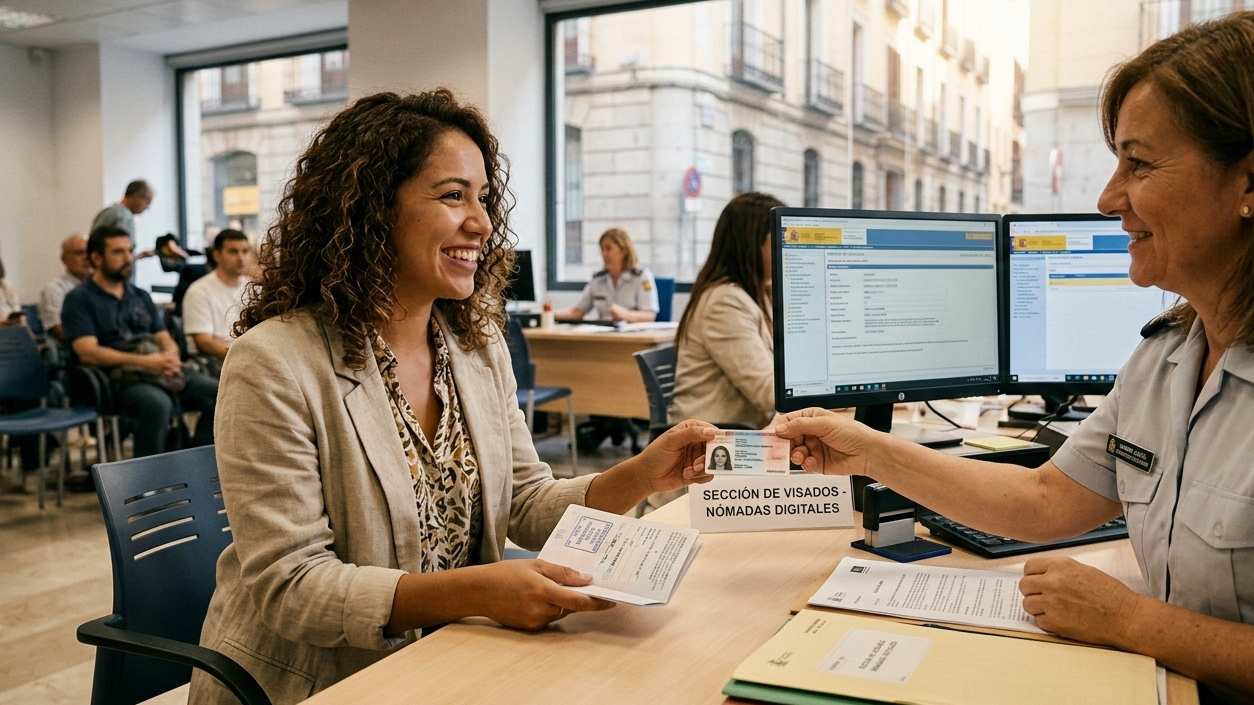
The Spain digital nomad visa requirements for 2026 have become a top priority for remote workers looking to move to Europe. The visa lets non-EU citizens live in Spain while working for companies based outside the country. It’s a very popular choice because it offers a clear legal path to enjoy life in Spain.
The Spanish government has updated the financial requirements and tightened some rules this year – they want to see that applicants can genuinely support themselves. The focus is on “economic reality”: stable, long-term remote work rather than one-off projects. This guide breaks down the Spain digital nomad visa requirements around income, work history, and documents so you can prepare with confidence.
What Is the Spain Digital Nomad Visa?
The Spain digital nomad visa was created under the country’s Startup Law to attract international talent. It’s designed for three types of people:
- Remote employees working for a single foreign company
- Freelancers with a portfolio of international clients
- Digital entrepreneurs who manage their own foreign-registered businesses
The idea is simple: you enjoy life in Spain while your income comes from abroad. You’re allowed to earn up to 20% of your income from Spanish clients, but the bulk of your work needs to stay international.
The digital nomad visa for Spain gives you a legal residence permit that can eventually lead to permanent residency – or even citizenship – after several years of living in the country.
Spain Digital Nomad Visa Eligibility Criteria in 2026
To qualify, you must meet specific Spain digital nomad visa eligibility requirements. The government wants to see that you’re a professional who can support yourself. Here are the core requirements:
- Work history. Show that you’ve been working for your current employer or clients for at least three months before applying.
- Company stability. The company you work for must have been in business for at least one year.
- Qualifications. You need a university degree or a professional certification in your field. No degree? At least three years of solid, high-level work experience can work as a substitute.
- Criminal record. Provide a clean criminal record check from every country you’ve lived in over the last two years, plus a signed statement covering the three years before that.
- Remote work proof. Your employer needs to provide a letter confirming that your job can be done 100% remotely from Spain. This is one of the most scrutinized points: your employment contract must explicitly authorize remote work from Spain – not just imply it. If your employer operates a hybrid model internally, this needs to be clarified in the documentation.
To access certain tax benefits, you also can’t have been a tax resident in Spain in the past five years.
Spain Digital Nomad Visa Requirements for 2026
The documentation is the most important part of your application. The Spain digital nomad visa requirements 2026 set a higher financial bar than in previous years – Spain’s minimum wage has increased, and the income threshold has risen with it.
- Income. A single applicant needs to show a monthly income of at least 200% of Spain’s minimum wage – around €2,849 per month in 2026.
- Health insurance. You need to buy a private Spanish health insurance policy with full coverage, no copayments, and no waiting periods. Travel insurance doesn’t count. Providers commonly accepted for immigration purposes include Adeslas, Sanitas, DKV, Mapfre, and AXA. Pricing typically ranges from €80 to €300+ per month depending on your age, whether you have dependents, and whether you’re applying through a consulate or from within Spain.
- Passport and photos. A valid passport with at least one year of validity left, plus recent passport-sized photos.
- Apostilled documents. All foreign documents need an Apostille stamp.
- Sworn translations. Every non-Spanish document must be translated by an official sworn translator recognized by the Spanish government.
If you’re bringing family, the income requirement increases: approximately €888 per month for a spouse, and approximately €296 per month for each additional dependent child.
Spain Digital Nomad Visa Application Process Step by Step
There are two main ways to handle the Spain digital nomad visa application process, and your choice affects how long your permit will be valid:
- Option 1: Apply from your home country. Visit a Spanish consulate; if approved, you get a 1-year visa and convert it to a residence card once in Spain.
- Option 2: Apply from inside Spain. Enter as a tourist and apply through the UGE portal. This usually grants a 3-year permit right away, which is why most people choose this route.
The steps generally look like this:
- Gather your documents – contracts, bank statements, criminal record checks
- Apostille and translate – get the official stamps and sworn Spanish translations
- Submit your application through the UGE portal or at a consulate
- Wait for a decision – in-country applications usually take around 20 business days
- Pick up your TIE – visit the local police station to give fingerprints and collect your residence card
One practical note on consulates: if you’re applying from abroad, be aware that individual consulates vary significantly in what they request. Some are stricter about apostilles and translations, some demand more evidence of company activity, and some scrutinize freelance applicants much more heavily than others. Applying from within Spain, where possible, tends to simplify the process considerably.
Income Requirements and Tax Considerations
Your income needs to be consistent – officials check bank statements and payslips from the last three months. One strong month won’t be enough.
On taxes, many applicants use the Beckham Law: a flat 24% rate for up to six years. Without it, progressive rates can reach 47% at higher income levels. To access this regime, the application must be submitted within 6 months of your Spanish Social Security registration date or the start of your qualifying activity in Spain – missing this window means losing access entirely. The general process involves: obtaining your residence authorization, registering your NIE and social security, beginning your professional activity, obtaining a digital certificate, preparing your tax documentation, and submitting the Beckham Law application to the Spanish Tax Agency via Modelo 149.
Common Mistakes to Avoid in 2026 Applications
A lot of people run into problems with the Spain digital nomad visa application process because of small, avoidable errors. Officials are strict about the following:
- Not enough income proof. Showing one high month isn’t enough. They want to see a consistent pattern across multiple months.
- Wrong insurance. Buying travel insurance instead of a proper private health policy will result in your application being rejected.
- Insufficient proof of remote work. This is one of the leading causes of rejection. Even if your income is solid, authorities may reject the application if the remote nature of the role isn’t clearly documented. Employers who normally operate in a hybrid model need to explicitly confirm the remote arrangement in writing.
- Missing social security details. Freelancers need to show their home country has a social security agreement with Spain, or register to pay into the Spanish system. An additional issue for freelancers: some countries don’t have a formal self-employment registration equivalent to the Spanish autónomo system, which can make it harder to prove your work structure, especially through a consulate.
- Expired documents. Criminal record checks are usually only valid for 3 to 6 months. If they expire before you submit, you’ll have to start that part over.
Final Checklist Before Applying
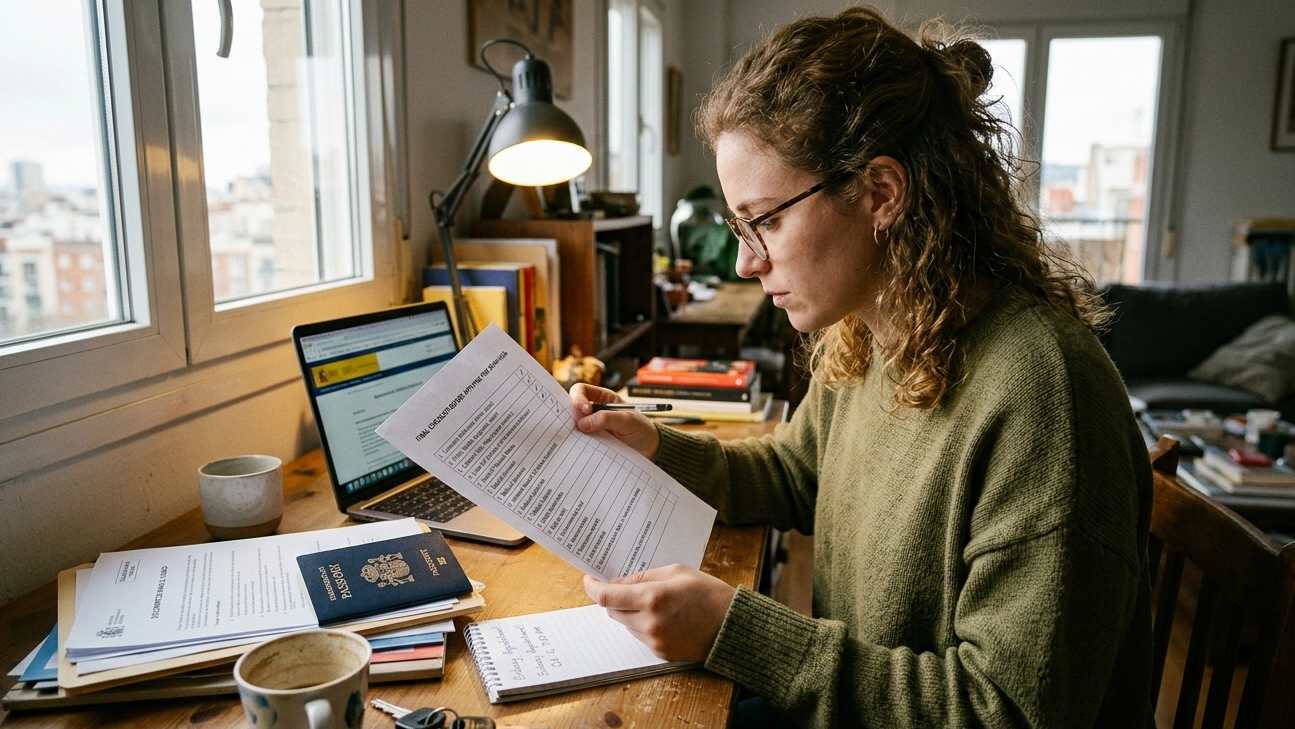
Run through this before you submit, to make sure you’ve met all the Spain digital nomad visa requirements 2026:
- Monthly income of at least €2,849 (single applicant)
- Employer letter confirming 100% remote work from Spain
- Passport valid for at least 12 months
- Criminal record checks with an Apostille stamp and a sworn translation
- Active private health insurance with no copays or waiting periods
- University degree or proof of 3+ years of professional experience
The digital nomad visa for Spain process is manageable when you know exactly what’s required – but the details matter. If you’d like guidance from an immigration lawyer who has helped hundreds of remote workers make this move, with over 1,000 cases processed and a 95%+ approval rate, Atlex Legal is here to help. Book a consultation, and we’ll walk you through your specific situation from day one.
FAQ
Who is eligible to apply for the Spain digital nomad visa in 2026?
Non-EU citizens who work remotely for foreign companies or have international freelance clients. You need a degree or at least 3 years of relevant work experience.
How long can I stay in Spain on a digital nomad visa?
If you apply from within Spain, the permit is valid for 3 years and can be renewed for another 2, for a total of 5 years.
What income threshold is required to qualify for the Spanish digital nomad visa?
In 2026, the main applicant must demonstrate approximately €2,849 per month. Adding a spouse requires approximately €888 more, and each additional child requires approximately €296 more.
Can I bring my family with me on a Spain digital nomad visa?
Yes – you can include your spouse and children. Each family member requires additional income beyond the base amount.
Do digital nomads in Spain need to pay Spanish taxes?
Yes, if you stay in the country for more than 183 days in a year, you become a tax resident. The Beckham Law lets you pay a flat 24% rate for up to six years, which is worth applying for. The application must be submitted within 6 months of starting your qualifying activity in Spain.