
Phone Number in Spain for Expats: Best Operators, Prepaid Plans and Tips
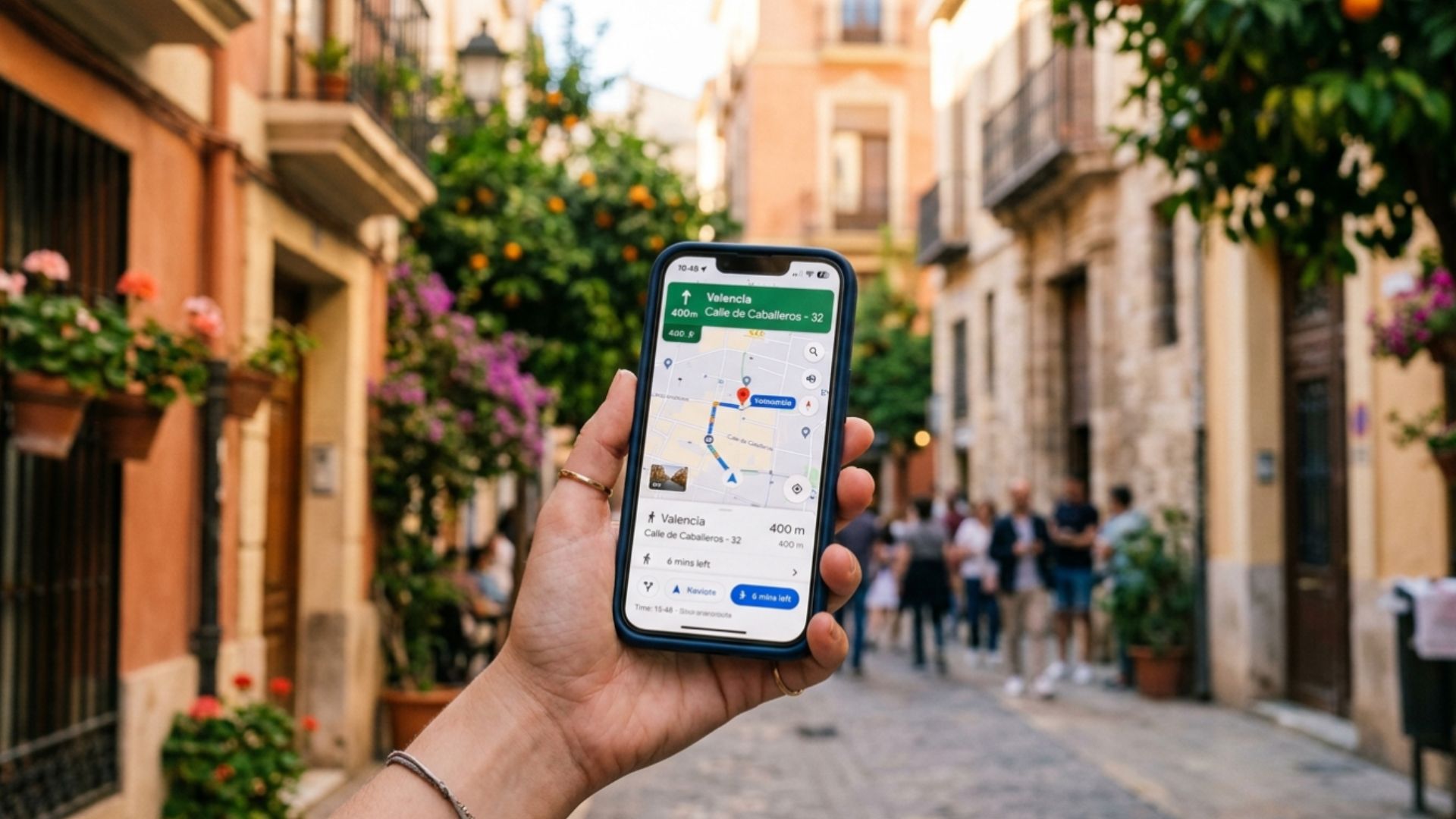
You’ve just landed in Barcelona. Your Airbnb keys are waiting, and you’re waiting for your first consulate appointment tomorrow morning. You open your phone to confirm the address – and realize your US roaming plan just burned through its daily limit loading a single Google Maps page.
This is the moment every expat remembers. Not the flight, nor the first coffee on a terrace. The moment they understood that Spain runs on local infrastructure, and everything – from receiving a government verification code to signing a rental agreement – assumes you already have a Spanish number.
At Atlex Legal, we’ve guided over 1,500 clients through the relocation process. And while our work is in immigration law, we’ve seen enough people get stuck in unnecessary movement in their first weeks to know: getting a local number isn’t a nice-to-have. It’s step one.
Why Expats Need a Spanish Phone Number
Here’s the practical reality that surprises most newcomers: Spanish institutions don’t accept international SIM cards. Banks send verification codes to local numbers. Government portals – the ones you’ll need for your NIE, TIE, and residency registration – require a +34 contact. In our experience, landlords are noticeably more responsive to applicants with local numbers. It signals you’re already here, settled, and serious.
Phone numbers for expats in Spain aren’t complicated to get. But the decision of which provider and which plan to choose deserves more than five minutes in an airport shop. The wrong choice early on can cost you time and money right when you need both for more important things – like your visa paperwork.
Overview of Mobile Providers in Spain
Spain’s telecom market is genuinely competitive, which is good news for your wallet. Mobile providers in Spain are broadly divided into two categories: major network owners and MVNOs (Mobile Virtual Network Operators) that lease space on their towers.
Major Cell Phone Providers in Spain
There are four dominant players:
- Movistar. Movistar carries the strongest rural coverage, a legacy of its origins as the former state monopoly.
- Vodafone. Vodafone is popular among international mobile clients for its roaming flexibility.
- Orange. Orange stands out for multilingual customer service – a genuinely useful feature when your Spanish is still catching up to your ambitions.
- Yoigo. Yoigo offers the most competitive pricing among the four without a meaningful sacrifice in network quality.
As a firm that works with clients from over 50 countries, we’ve seen how much smoother early bureaucratic steps go when clients can actually receive calls and texts without roaming interruptions.
Low-Cost and Alternative Mobile Providers
If your priority is value, cell phone providers in Spain like Digi, Pepephone, and O2 have built strong reputations in the low-cost segment. Digi in particular has become a go-to recommendation in expat communities for one reason: extraordinary data volumes at prices that feel almost too low to be real. These providers run on the same towers as the major carriers. The trade-off is fewer physical stores – but their online platforms are well-designed and available in English.
Prepaid vs Contract Spain Phone Plans
The choice between prepaid and contract usually answers itself based on where you are in your residency process.
Spain phone plans on a contract basis typically offer better data value and additional perks, but they require a Spanish IBAN and NIE/TIE to sign. If you’re still waiting on your residency documentation (which is exactly where most of our clients are when they first arrive), a prepaid SIM is the practical starting point. You can get one with just your passport, top it up as needed, and port your number to a contract plan later without changing your contact details.
The good news: prepaid plans in Spain aren’t the limited, expensive options they are in some countries. Many offer 50GB or more for under €15 per month. You’re not sacrificing much by starting there.
How to Choose the Right Phone Service in Spain

Before settling on a provider, consider three things most guides skip over:
- First, your specific location. Coverage maps vary significantly outside major cities. If you’re moving to Costa Brava, the Basque Country, or rural Andalusia, check provider coverage for that exact area – not just Spain in general. The phone service in Spain that’s perfect in Madrid may have gaps in a coastal village.
- Second, international calling. If you’re maintaining regular contact with family or clients abroad, look specifically at Spain cell phone providers that include international minutes in their bundles. Some, particularly Orange and certain MVNOs, build this in as standard. Others charge per minute, which adds up fast.
- Third, customer support language. If your Spanish isn’t yet at a level for bureaucratic conversations, providers like Lobster offer English-language support as a core feature. It’s worth paying a small premium to avoid a 45-minute call where you’re translating telecommunications vocabulary in real time.
How to Get a Spanish SIM Card as an Expat
The actual process is refreshingly simple compared to everything else on your relocation checklist. For prepaid phone numbers for expats in Spain, you need a valid passport and a payment method – cash or card. Many providers also accept a hotel or Airbnb address, which means you can get connected before your permanent accommodation is sorted.
For contract plans, add your NIE/TIE and a Spanish bank account to that list. You can find out how to open a bank account in Spain here.
You can walk into any major shopping center and find stores for the big four. Low-cost providers are typically online-only. If your phone is eSIM-compatible, some operators – Digi and Orange among them – let you activate a number entirely through an app, sometimes within minutes.
Tips for Choosing the Best Cell Phone Provider in Spain
A few things worth knowing before you commit to anything. The market moves fast. Mobile providers Spain regularly run seasonal promotions with significantly inflated data allowances. A plan you looked at in January may be substantially better or worse by March. So we recommend checking current deals.
“Permanencia” is the Spanish term for a lock-in period. Many modern plans have eliminated it. Always ask before signing – a no-commitment plan gives you flexibility to upgrade once your residency situation stabilizes.
You can port your number between providers without losing it. This means your first SIM doesn’t need to be your permanent one.
At Atlex Legal, getting our clients to Spain is only half the picture. We want them settled – legally, practically, and confidently. A working Spanish number is often the first real signal that the move has begun in earnest. And once you have it, the rest of your administrative checklist – NIE registration, residency applications, visa renewals – starts to feel far more manageable.
If you’re still working through the immigration side of your move, our team is one message away. We respond within one business day, and we’ve seen enough cases to know that the earlier you start, the smoother things go.
FaQ
How can expats get a phone number in Spain?
Expats can get a number by visiting a mobile provider’s store with a passport or NIE. You can choose between a prepaid SIM for immediate use or a monthly contract if you have a Spanish bank account.
What are the best mobile providers in Spain for expats?
For great coverage, Movistar is top-tier. For English-speaking support, Lobster and Vodafone are recommended. For the best prices and high data, Digi Mobil and Pepephone are the favorites.
Is prepaid or contract mobile service better for expats in Spain?
Prepaid is better if you have just arrived and don’t have a residency card or bank account yet. Contracts are better for long-term residents.
How much do phone plans in Spain typically cost?
Basic plans start at €7 per month. A high-usage plan with plenty of data usually costs between €15 and €25. Full home fiber and mobile bundles generally range from €40 to €60.
What documents do I need to get a Spanish SIM card?
For a prepaid SIM, you only need a valid passport. For a contract, you will need your NIE/TIE, a Spanish bank account number, and proof of address.